
Introduction
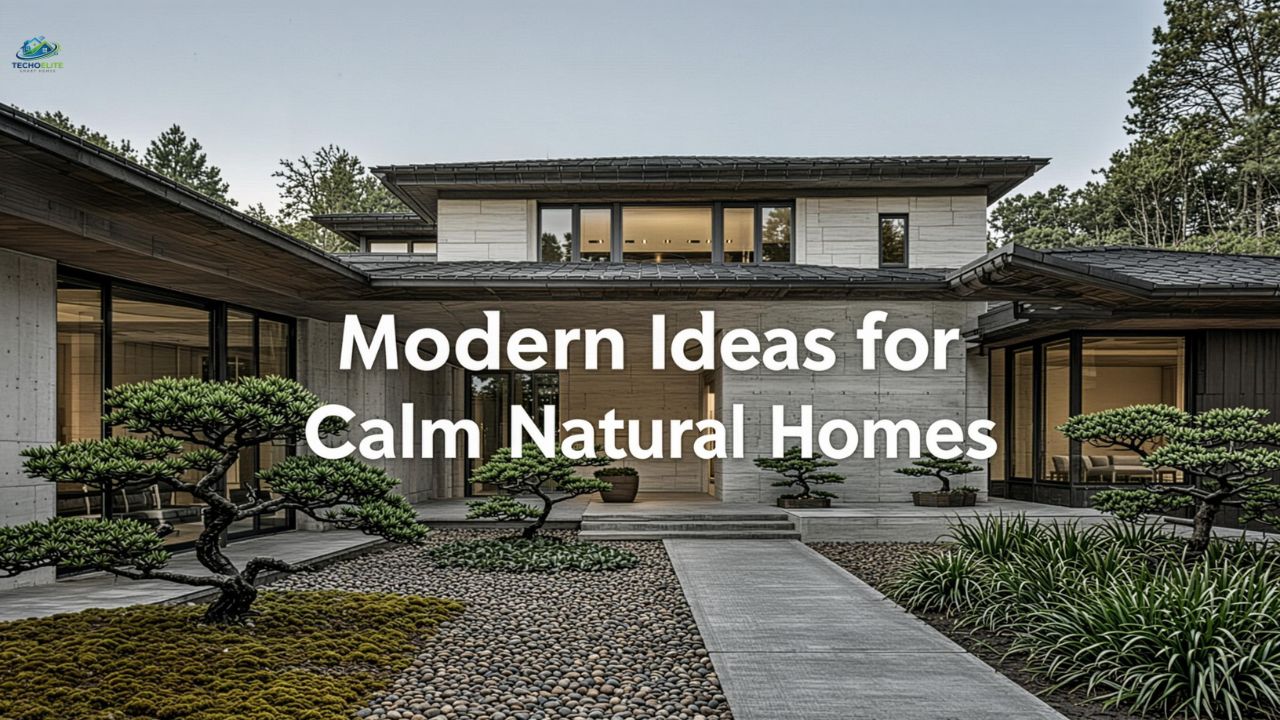
A beautiful home does not always need to shout. Sometimes it simply breathes. That is the quiet magic of asian house design—it can make a space feel calm, grounded, and deeply connected to nature without looking cold or empty.
This topic matters because many homeowners today want more than a pretty floor plan. They want better light, natural airflow, flexible rooms, peaceful materials, and a home that feels restful after a noisy day. Asian-inspired homes often do this beautifully because they treat architecture as a relationship between people, nature, climate, and daily rituals.
It is worth saying this clearly: Asia is not one style. A Japanese minka, Korean hanok, Chinese siheyuan, Balinese villa, Indian courtyard home, and Filipino bahay kubo all come from different climates, histories, beliefs, and ways of living. The best designs borrow principles respectfully, not stereotypes.
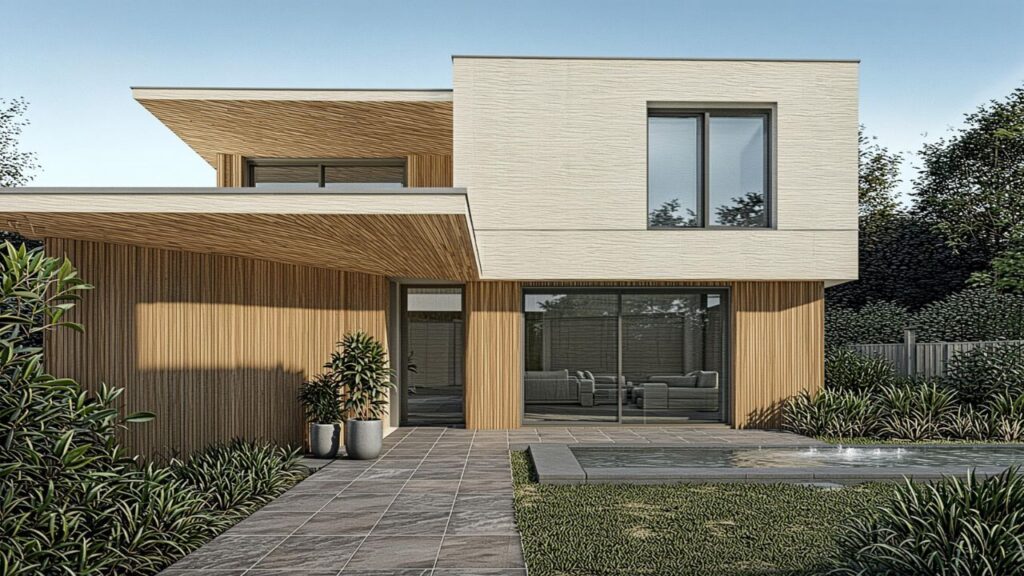
Table of Contents
- Why asian house design Feels Calm and Timeless
- Best asian house design Ideas for Modern Homes
- Cultural Background, Design Journey, and Financial Insights
- Core Elements of Asian-Inspired Architecture
- Materials, Colors, and Textures That Work Beautifully
- Room-by-Room asian house design Tips
- Courtyards, Gardens, and Indoor-Outdoor Living
- Budgeting, Costs, and Practical Planning
- Common Mistakes to Avoid
- FAQs
- Conclusion
Why asian house design Feels Calm and Timeless
The reason many Asian-inspired homes feel peaceful is not accidental. They often use proportion, light, texture, shadow, air, and nature with unusual care. Instead of filling every corner with furniture, these interiors leave room for the eye and body to rest.
Recent design coverage has also shown growing interest in Japanese-inspired living rooms because people are drawn to tranquility, natural materials, clean lines, neutral earth tones, and meaningful decor rather than overfilled spaces. That trend fits a wider desire for homes that feel restorative, not just fashionable.
At its best, this design approach is not about copying a temple roof or placing a random Buddha statue in the hallway. It is about learning from older ideas: shade before air conditioning, courtyards before artificial light, sliding screens before rigid rooms, and gardens that become part of daily life.
Definition: Asian-inspired home design
Asian-inspired home design is an architectural or interior approach influenced by one or more Asian traditions, often emphasizing natural materials, balanced proportions, flexible space, indoor-outdoor connection, craftsmanship, and calm visual rhythm.
That definition is intentionally broad. A modern home in California may use shoji-like screens and a courtyard. A tropical house in Malaysia may use deep overhangs and cross-ventilation. A compact apartment may use low furniture, warm wood, and hidden storage. The style changes, but the principle stays steady: design should support life, not overwhelm it.
Best asian house design Ideas for Modern Homes
The best asian house design ideas are not decorative tricks. They are practical design moves that make a home feel calmer, cooler, brighter, and more personal.
1. Create a quiet entry sequence
Many traditional homes across Asia treat entry as a transition, not just a door. There may be a small threshold, stone path, shaded porch, gate, courtyard, or place to remove shoes. That pause matters. It tells the body, “You are leaving the outside world behind.”
In a modern home, this could be as simple as a covered entry, bench, shoe storage, soft lighting, and a small plant arrangement. It feels modest, but it changes the mood immediately.
2. Use sliding or flexible partitions
Sliding panels, screens, curtains, and folding doors allow a room to change throughout the day. A home office can become a guest room. A dining room can open to a garden. A sleeping area can be separated without building a heavy wall.
Traditional Japanese architecture uses shoji and fusuma screens in different ways: shoji are translucent screens that allow light to pass through, while fusuma are opaque sliding panels used to divide rooms and create privacy.
3. Add a courtyard, even a small one
Courtyards are one of the most powerful design tools in Asian homes. They bring light, air, privacy, and nature into the center of the plan. A courtyard does not have to be huge. Even a narrow planted void, internal patio, or open-to-sky pocket garden can transform a dark home.
Chinese courtyard houses, especially siheyuan, are historically important because they organize family life around an inner open space. Contemporary renovations often reinterpret the courtyard to frame views of sky, garden, and daily movement while respecting heritage.
4. Keep furniture low and grounded
Low furniture can make a room feel wider, quieter, and closer to the earth. Platform beds, low sofas, floor cushions, tea tables, and built-in benches create a relaxed horizontal line.
However, this should suit your body and lifestyle. If you have knee pain or elderly family members, extremely low seating may be uncomfortable. A thoughtful modern approach might use visually low furniture with proper support rather than copying floor-level living exactly.
5. Design with shade and airflow
In hot climates, comfort begins before the air conditioner turns on. Deep roof overhangs, cross-ventilation, shaded windows, courtyards, verandas, and operable screens can reduce heat and improve comfort.
Autodesk’s discussion of tropical passive design identifies solar shading and natural ventilation as two key strategies for sustainable buildings in tropical regions because they help thermal comfort and reduce reliance on mechanical cooling.
6. Choose natural materials with honest texture
Wood, bamboo, stone, clay, lime plaster, paper, rattan, linen, handmade tile, and woven mats all bring tactile warmth. The goal is not perfection. It is material honesty.
A room with pale wood, rough stone, a linen curtain, and filtered daylight often feels more soothing than a room full of shiny finishes. Texture gives the space a human quality.
Cultural Background, Design Journey, and Financial Insights
Because this topic is not about one person, a personal background or net worth section would not apply. The more useful background is cultural: how these homes developed, what they achieved, and what financial choices matter if you want to build or remodel with this influence.
Cultural background
Asian residential architecture grew from climate, family structure, belief systems, craftsmanship, available materials, and local geography. In Japan, timber framing, tatami rooms, shoji screens, and garden-facing verandas shaped daily rituals. In Korea, hanok houses traditionally used wooden structures, courtyards, and environmental orientation. ArchDaily notes that many hanok are single-story, often face south, and use central courtyards for illumination and ventilation.
In China, courtyard homes shaped privacy and family hierarchy. In India, courtyard planning connects to climate, family life, and Vastu traditions. In Southeast Asia, elevated floors, wide eaves, lightweight materials, and ventilation responded to heat, rain, humidity, and flooding.
Design journey
The journey from traditional Asian architecture to modern homes has not been linear. Some homes preserve old forms. Others reinterpret them through glass, concrete, steel, and contemporary layouts. A recent Bali home featured in Wallpaper used reclaimed teak and ulin wood, local craftsmanship, generous openings, timber louvers, and indoor-outdoor living to create a modern refuge connected to its landscape.
That is the sweet spot for modern design: not imitation, but translation. Instead of copying the past literally, designers ask what the old idea solved. Was it heat? Privacy? Family gathering? Spiritual calm? Flexible living? Once the problem is understood, the solution can become modern.
Achievements of the style
The achievements of Asian-influenced residential design are practical and emotional:
- It can make small spaces feel larger through flexible planning.
- It can reduce visual clutter with hidden storage and simple lines.
- It can support passive cooling through shade, airflow, and courtyards.
- It can create emotional calm through natural materials and balanced proportions.
- It can connect daily life with gardens, water, sunlight, and seasonal change.
Financial insights
The financial side depends on how far you take the concept. A simple interior refresh with paint, lighting, screens, low furniture, and plants is affordable compared with structural work. A new courtyard home, custom timber detailing, stonework, or architectural remodel requires a much larger budget.
HomeAdvisor’s 2025 home renovation data lists a wide range for house renovation costs, from about $3,000 to $190,000, with an average around $52,135, depending heavily on project size, room count, and scope. That wide range is a reminder to separate decorative upgrades from major architectural changes.
Core Elements of Asian-Inspired Architecture
A calm home usually comes from layered decisions, not one big feature. The most convincing Asian-inspired interiors use structure, light, movement, and materials together.
Balance and asymmetry
Western design often seeks symmetry: matching lamps, centered sofas, identical windows. Many Asian design traditions use balance without perfect mirroring. A stone, plant, screen, and empty wall may balance each other through visual weight.
This kind of balance feels natural. A garden is not symmetrical, yet it can feel complete.
Thresholds and transitions
A threshold is a moment between spaces. It may be a step, screen, lowered ceiling, change in flooring, entry bench, or framed garden view. These transitions make a home feel richer because each space has a mood.
A real-life example: instead of walking directly from a bright street into the living room, imagine entering through a shaded porch, removing shoes, passing a wood screen, then seeing a quiet room with a garden beyond. The house immediately feels calmer.
Framed views
Rather than showing everything at once, Asian-inspired homes often frame views carefully. A window may reveal one tree. A hallway may end at a stone lantern. A dining room may open to a courtyard wall with climbing plants.
This is powerful because it makes small moments feel intentional. You do not need a huge landscape; you need a view worth noticing.
Negative space
Negative space is empty space that has purpose. It gives objects room to breathe. In a home, that might mean one beautiful ceramic bowl on a shelf instead of twelve accessories, or a quiet wall beside a low bench.
This does not mean the house must feel bare. It means every object should earn its place.
Materials, Colors, and Textures That Work Beautifully
The safest way to create warmth is to choose materials that age well. Asian-inspired interiors rarely look convincing when everything is glossy, synthetic, and brand-new.
Wood
Wood is the emotional anchor. Light oak, ash, cedar, bamboo, teak, walnut, and reclaimed timber can all work depending on the region and mood. Pale woods feel Japanese and Scandinavian. Darker woods can feel Chinese, Balinese, Korean, or tropical depending on detailing.
Use wood for floors, beams, screens, ceiling slats, cabinetry, benches, doors, or window frames.
Stone
Stone gives weight and stillness. A stone step, gravel courtyard, slate wall, river rock basin, or granite threshold can make a home feel grounded. Use it sparingly. Too much stone can feel cold.
Paper, fabric, and woven surfaces
Rice paper-style screens, linen curtains, woven blinds, rattan panels, bamboo shades, and grasscloth wallcoverings soften light. These materials are especially useful in bedrooms and meditation corners.
Clay, plaster, and earth tones
Clay walls, lime plaster, warm beige, muted gray, soft green, charcoal, cream, sand, brown, and black create a palette that feels restful. The colors should look like they came from soil, bark, stone, mist, leaves, or shadow.
Material comparison table
| Material | Mood it creates | Best uses | Watch out for |
|---|---|---|---|
| Light wood | Calm, airy, minimalist | Floors, screens, cabinets | Can feel bland without texture |
| Dark wood | Rich, traditional, grounded | Doors, beams, furniture | Can feel heavy in small rooms |
| Bamboo/rattan | Tropical, relaxed, tactile | Screens, chairs, shades | Needs quality to avoid looking flimsy |
| Stone | Solid, quiet, timeless | Courtyards, entry paths, bathrooms | Can feel cold without wood or textiles |
| Lime plaster | Soft, natural, handmade | Walls, niches, quiet rooms | Requires proper application |
| Handmade tile | Artisanal, imperfect, warm | Bathrooms, kitchens, water features | Patterns can overwhelm small spaces |
Room-by-Room asian house design Tips
A whole home does not need to become themed. In fact, it should not. The most elegant approach is to adapt principles room by room.
Entryway
Create a pause. Add a shoe bench, concealed storage, textured mat, wall hook, warm light, and one natural object such as a plant or ceramic vessel. Keep the space clean and practical.
A sunken entry is beautiful but not always realistic. A simple change in flooring can still create the same feeling of transition.
Living room
Use low-profile furniture, warm wood, a soft rug, and fewer decorative objects. Place seating so it faces either a garden view, courtyard, fireplace, or quiet focal wall. Avoid pushing everything against the walls unless the room is tiny.
If you love Japanese influence, try a low sofa, shoji-style screen, paper lantern, and natural fiber rug. If you prefer tropical Asian influence, use deeper wood, woven chairs, indoor plants, and large sliding doors.
Kitchen
Asian-inspired kitchens work best when they are clean, efficient, and tactile. Flat-panel wood cabinets, stone counters, open shelving used sparingly, ceramic dishes, and soft lighting can create a calm cooking space.
Do not make the kitchen too precious. A kitchen still needs durable surfaces, proper ventilation, storage, and easy cleaning.
Bathroom
Bathrooms are perfect for spa-like Asian influence. Use stone, teak, warm lighting, simple fixtures, soft towels, and a plant if the light allows. A soaking tub, pebble floor, wood stool, or plaster wall can bring a quiet bathing ritual into the room.
Keep safety in mind. Natural stone and wet wood need proper sealing and maintenance.
Bedroom
A bedroom should feel like a retreat. Use a platform bed, layered neutral bedding, hidden storage, soft lamps, and minimal clutter. Instead of bright artwork, choose a textured wall, woven shade, or framed textile.
A bedroom inspired by this approach should not feel empty. It should feel protected.
Courtyards, Gardens, and Indoor-Outdoor Living
Nature is not decoration in this design language. It is part of the architecture. A courtyard, even a small one, can change how a home feels every day.
Courtyard benefits
Courtyards can improve daylight, privacy, ventilation, and emotional comfort. They allow a house to look inward, which is especially useful on dense urban lots where street-facing windows may feel exposed.
Garden styles
A Japanese-inspired garden may use gravel, moss, stone, maple, bamboo, and careful pruning. A Balinese-inspired garden may use lush tropical plants, water, stone paths, and carved wood. A Chinese-inspired courtyard may use symmetry, potted plants, moon gates, and framed views. A Korean-inspired outdoor space may emphasize harmony with slope, orientation, and natural surroundings.
Indoor-outdoor details
Use sliding doors, covered verandas, shaded terraces, timber louvers, and deep eaves. These elements make outdoor areas usable and protect interiors from harsh sun or rain.
The best indoor-outdoor homes do not just have large glass doors. They have shade, privacy, airflow, and a reason to step outside.
Budgeting, Costs, and Practical Planning
You can bring this style into a home at many budget levels. Start with the feeling you want, then choose the level of intervention.
Low-budget updates
- Declutter surfaces and simplify furniture.
- Add warm lamps instead of harsh overhead lighting.
- Use bamboo blinds, linen curtains, or woven textures.
- Bring in plants, ceramics, and natural fiber rugs.
- Paint walls in warm white, clay, greige, or soft gray.
- Add a low bench or platform-style bed.
These changes can shift the mood without major construction.
Mid-range updates
- Install wood slat screens or sliding partitions.
- Replace glossy floors with wood, stone-look tile, or matte finishes.
- Add built-in storage to reduce clutter.
- Upgrade bathroom materials with stone, teak, or handmade tile.
- Create a small patio or courtyard garden.
High-budget architectural changes
- Add a central courtyard or lightwell.
- Rework the floor plan for better airflow.
- Install large sliding doors and shaded overhangs.
- Use custom timber framing, screens, or joinery.
- Hire an architect for climate-responsive design.
Interior design help can also vary widely by service level. Sweeten’s 2025 interior designer cost guide notes that designers commonly charge around $100 to $200 per hour on average, while high-end firms may charge more; full-service projects may use flat fees or percentage-based structures.
Planning table
| Budget level | Best design move | Why it works |
|---|---|---|
| Small refresh | Lighting, plants, textiles, decluttering | Changes the atmosphere quickly |
| Moderate remodel | Screens, built-ins, flooring, bathroom updates | Improves function and visual calm |
| Major remodel | Courtyard, roof overhangs, new openings | Changes light, airflow, and spatial quality |
| New build | Architect-led climate and site planning | Creates the strongest long-term result |
Common Mistakes to Avoid
The biggest mistake is turning a thoughtful design tradition into a theme. Good homes feel lived in. Themed homes feel like sets.
Mistake 1: Mixing too many countries at once
A Japanese screen, Thai statue, Chinese lantern, Indian carved door, and Balinese mask can fight each other if there is no design logic. Mixing cultures is possible, but it needs restraint and respect.
Choose one dominant influence and let the rest be subtle.
Mistake 2: Forgetting comfort
A room can look beautiful online and still be uncomfortable. Very low furniture, hard floors, minimal storage, and dim lighting may not suit every household.
Design for real life: children, guests, pets, aging parents, cleaning routines, and your own body.
Mistake 3: Using cheap imitation materials
Plastic bamboo, fake paper screens, shiny “Asian-style” panels, and mass-produced symbolic decor can make the home feel less authentic. It is better to use one real wood bench than ten fake themed accessories.
Mistake 4: Ignoring climate
A tropical villa design may not work in a cold climate without insulation, heating, and moisture planning. A courtyard may need drainage. Large glass walls may need shading. Natural materials need maintenance.
Traditional architecture evolved from climate. Modern design should do the same.
Mistake 5: Creating emptiness instead of calm
Minimalism is not the same as absence. A calm home still needs warmth, texture, memory, and function. Add a handmade bowl, a family textile, a beautiful lamp, or a plant you actually care for.
FAQs
Is asian house design the same as Japanese design?
No. Japanese design is one influence within a much larger category. Asian architecture also includes Korean hanok, Chinese courtyard homes, Indian courtyard houses, Balinese villas, Filipino tropical homes, and many other regional traditions.
What are the main features of an Asian-inspired home?
Common features include natural materials, flexible spaces, sliding screens, courtyards, indoor-outdoor flow, low furniture, warm lighting, calm colors, handcrafted details, and a strong connection to nature.
Can this style work in a small apartment?
Yes. In a small apartment, focus on decluttering, low-profile furniture, hidden storage, soft lighting, natural textiles, plants, and flexible screens. You do not need a courtyard or custom architecture to create a calmer atmosphere.
What colors work best for Asian-inspired interiors?
Warm white, sand, clay, charcoal, soft gray, muted green, brown, black, cream, and natural wood tones work beautifully. The best palette usually feels earthy rather than bright or glossy.
Is Asian-inspired design expensive?
It can be affordable or expensive depending on scope. Decor changes are budget-friendly, while custom joinery, courtyard additions, timber structures, and architectural remodels cost much more.
How do I make the style feel modern?
Use clean lines, simple furniture, quality materials, hidden storage, and restrained decor. Avoid overly ornate themed pieces unless they are authentic, meaningful, and balanced by simpler surroundings.
What is the best flooring for this type of home?
Wood, bamboo, stone, matte tile, polished concrete, and natural fiber rugs can all work. Choose based on climate, maintenance, budget, and comfort underfoot.
Can I combine Scandinavian and Asian design?
Yes. Japandi design already blends Japanese and Scandinavian ideas through simplicity, natural materials, pale wood, soft neutrals, and functional comfort. The result can feel warm, modern, and very livable.
Do I need an architect for this style?
Not always. For interior styling, you may not. For courtyards, structural changes, passive cooling, roof overhangs, or new construction, an architect can help turn the idea into a safe, climate-smart home.
How do I avoid cultural appropriation in my design?
Focus on principles rather than clichés. Learn the origin of features you use, buy authentic or artisan-made pieces when possible, avoid sacred objects as casual decor, and design with respect rather than costume-like imitation.
Conclusion
asian house design is powerful because it asks better questions than “What looks trendy?” It asks how light enters the room, how air moves, where the body rests, what materials feel honest, and how nature can become part of everyday living.
The most beautiful version is not a copy of one culture or a collection of themed objects. It is a thoughtful home shaped by calm, proportion, texture, shade, flexibility, and respect for place. Maybe that means a small entry bench and soft lantern light. Maybe it means a courtyard garden. Maybe it means a full architectural plan built around climate and family life.
Start quietly. Remove what feels noisy. Add natural texture. Frame one beautiful view. Let rooms breathe. When these choices come together, a house does not just look more elegant. It feels more human, more peaceful, and more deeply connected to the life inside it.