Introduction
A smarter home does not have to feel complicated. For many local homeowners, home automation philadelphia is really about making daily life easier, safer, and more comfortable.
Philadelphia homes have their own character. You may live in a rowhome, condo, townhouse, brownstone, or newer suburban-style property. Each home needs a slightly different smart setup.
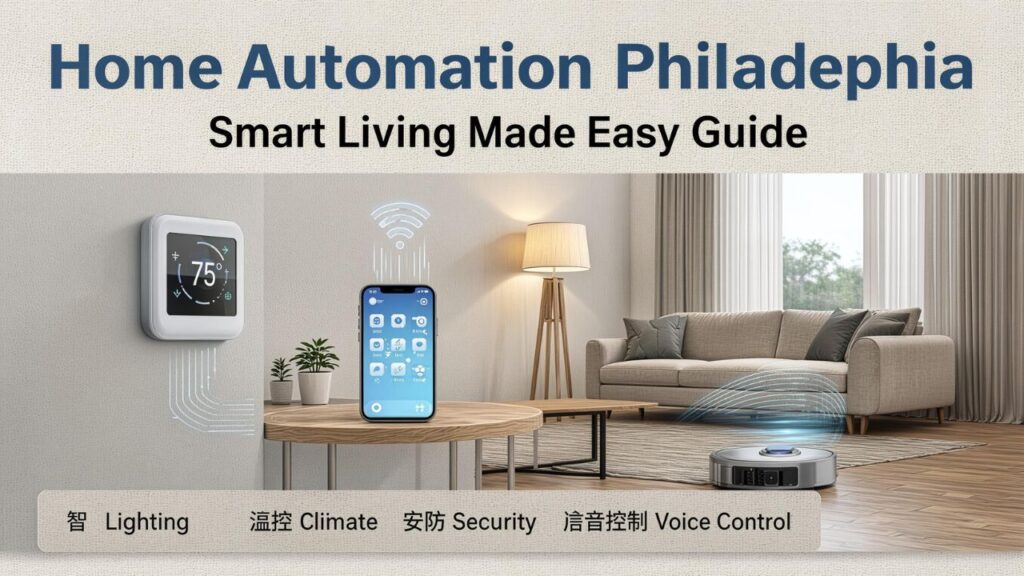
Smart systems can help with comfort during Philadelphia’s humid summers and cold winters. Local climate patterns make heating, cooling, lighting, and security automation especially useful. Philadelphia summers are warm and humid, while winters are very cold and snowy.
What Is Home Automation?
Home automation means connecting devices in your home so they can work together. You can control them through a phone, wall panel, voice assistant, remote, or preset schedule.
This can include:
- Smart lighting
- Thermostats
- Security cameras
- Door locks
- Garage doors
- Motorized shades
- Audio and video systems
- Smart appliances
- Leak sensors
- Whole-home Wi-Fi
The real value comes when these systems work as one. For example, your “Goodnight” scene can lock doors, turn off lights, lower the thermostat, arm cameras, and close shades.
Why Home Automation Philadelphia Homeowners Are Upgrading
Many homeowners choose home automation philadelphia services because older homes often need better control, better wiring, and stronger Wi-Fi coverage.
Philadelphia properties can have thick walls, narrow layouts, basements, additions, and older electrical systems. A professional setup helps avoid weak signals, messy wiring, and devices that stop working after a few weeks.
Smart upgrades also help busy families. You can check your front door from work, unlock the house for a visitor, adjust lighting before arriving home, or make sure the garage door is closed.
Smart Security for Philadelphia Homes
Security is one of the biggest reasons people start with smart automation.
Smart Cameras
Smart cameras let you monitor entry points, driveways, alleys, porches, garages, and back doors. For best results, use cameras with clear night vision, motion alerts, cloud or local recording, and weather-rated housing.
Smart Doorbells
A smart doorbell is useful for package deliveries, guests, and unexpected visitors. It gives you two-way audio and live video from your phone.
Smart Locks
Smart locks allow keyless entry. You can create temporary codes for family, cleaners, contractors, or guests. You can also remove access without changing the lock.
Smart Lighting That Fits Real Life
Smart lighting is one of the easiest upgrades to enjoy every day.
You can automate lights by time, motion, sunset, room use, or scene. A “Movie Night” scene may dim the living room lights. A “Welcome Home” scene may turn on the hallway, kitchen, and porch lights.
Good smart lighting also improves safety. Motion lights near stairs, hallways, and entrances can help at night without needing to search for switches.
Energy Comfort and Smart Thermostats
Philadelphia weather makes temperature control important. A smart thermostat can adjust heating and cooling based on schedules, occupancy, and comfort preferences.
PECO offers energy-efficiency rebates and discounts for eligible home upgrades, including ENERGY STAR certified products and heating/cooling equipment. Homeowners should check current eligibility before buying devices.
A smart thermostat works best when paired with good insulation, proper HVAC maintenance, and realistic temperature settings.
Whole-Home Wi-Fi Matters More Than People Think
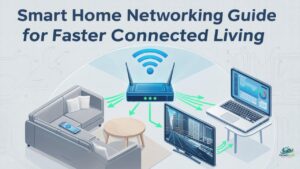
A smart home depends on a strong network. Weak Wi-Fi can make cameras lag, speakers disconnect, doorbells miss alerts, and smart lights respond slowly.
For larger homes, rowhomes with multiple floors, or properties with thick walls, a mesh Wi-Fi or wired access point setup is often better than one basic router.
Home Automation Philadelphia Installation Options
You can choose simple DIY devices, professional installation, or a mixed setup.
DIY works well for basic bulbs, plugs, and voice assistants. Professional installation is better for cameras, structured wiring, in-wall controls, security systems, home theaters, and whole-home automation.
Licensed electricians and low-voltage professionals in the Philadelphia area often handle smart wiring, lighting, automation, and network-ready installations.
Best Smart Home Features to Start With
Start with the features you will use every day.
Good first upgrades include:
- Smart thermostat
- Video doorbell
- Front door smart lock
- Smart exterior lighting
- Living room lighting scenes
- Indoor and outdoor cameras
- Leak sensors near sinks and laundry areas
- Strong Wi-Fi system
Once these work well, you can add shades, speakers, home theater, garage control, and advanced scenes.
Smart Home Automation for Older Philadelphia Homes
Older homes need careful planning. Walls may hide old wiring, plaster, brick, or tight spaces. This can affect camera placement, Wi-Fi signal, and switch upgrades.
Before installing anything, check:
- Electrical panel capacity
- Wi-Fi coverage
- Neutral wire availability
- Wall material
- Outdoor mounting points
- Door and window frame condition
- Basement or attic access
A good installer will inspect the home before recommending devices.
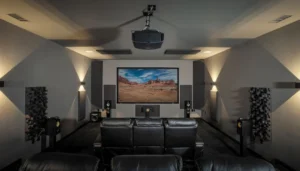
Home Theater and Audio Automation
Smart homes are not only about security. Entertainment is another major reason homeowners invest in automation.
You can connect TVs, speakers, streaming devices, projectors, lighting, and shades into one simple scene. Press one button, and the room is ready.
For music lovers, whole-home audio lets you play different music in different rooms or group the whole house together.
Automated Shades and Privacy Control
Motorized shades add comfort and privacy. They can open in the morning, close during peak sun, and lower at night.
This is helpful for street-facing homes, condos, and large windows. Shades can also reduce glare on screens and help rooms stay cooler during sunny hours.
Voice Control vs App Control vs Wall Panels
Most smart homes use a mix of controls.
Voice control is convenient for quick commands. App control is useful when you are away from home. Wall panels and keypads are best for guests, children, and daily routines.
The best system does not force everyone to use a phone. It should feel natural for the whole family.
How Much Does Home Automation Cost?
Costs vary by home size, device quality, wiring needs, and system complexity.
A basic setup may include a smart thermostat, doorbell, lock, and a few lights. A more advanced system may include cameras, audio, shades, networking, lighting scenes, and central control.
The most expensive mistakes usually come from buying random devices that do not work well together. Planning first saves money later.
Choosing the Right Home Automation Philadelphia Company
The right company should understand local homes, electrical safety, low-voltage wiring, networking, and long-term support.
Ask these questions before hiring:
- Do you inspect the home first?
- Do you install wired and wireless systems?
- Which brands do you support?
- Will the system work if the internet goes down?
- Can I control everything from one app?
- Do you provide training after installation?
- What happens if a device fails?
A trustworthy installer will explain options clearly and avoid pushing devices you do not need.
Common Mistakes to Avoid
Many homeowners make the same mistakes when starting automation.
Avoid these:
- Buying devices before planning the system
- Ignoring Wi-Fi coverage
- Mixing too many apps
- Choosing cheap cameras with poor night vision
- Forgetting battery maintenance
- Installing outdoor devices without weather ratings
- Not protecting accounts with strong passwords
- Skipping professional help for wiring
FAQ
Is home automation worth it in Philadelphia?
Yes, it can be worth it for comfort, security, energy control, and convenience. It is especially useful in homes with busy schedules, multiple floors, older layouts, or street-facing entrances.
What is the best first smart home upgrade?
A smart thermostat, video doorbell, and smart lock are strong starting points. These upgrades are practical and easy to use daily.
Can smart home devices work in older rowhomes?
Yes. Older rowhomes can support automation, but wiring, Wi-Fi coverage, and wall materials should be checked before installation.
Do I need professional installation?
You can install simple devices yourself. Professional help is better for cameras, wiring, smart panels, lighting controls, audio systems, and whole-home setups.
Can home automation lower energy bills?
It can help reduce wasted heating, cooling, and lighting when used correctly. Smart thermostats, schedules, occupancy sensors, and automated shades can all support better energy use.
Is home automation secure?
It can be secure when installed and managed properly. Use strong passwords, two-factor authentication, trusted brands, updated software, and secure Wi-Fi.
What rooms should I automate first?
Start with the entryway, living room, kitchen, bedroom, and exterior doors. These areas usually bring the most daily value.
How long does installation take?
Small setups may take a few hours. Larger projects with cameras, wiring, lighting, networking, and audio may take several days.
Conclusion
Home automation philadelphia is not about filling your house with gadgets. It is about creating a home that responds to your daily routine.
Start with comfort, safety, and reliability. Build around the way you actually live. With the right plan, your home can feel simpler, safer, and much easier to manage.