A thriving garden does not happen by accident. Healthy soil, proper irrigation, seasonal maintenance, and plant selection all play important roles in creating a productive outdoor space. But one factor homeowners often overlook is pest control.
Many people assume pest control and gardening work against each other. In reality, professional pest management is often one of the most important parts of maintaining a healthy yard and productive garden. Uncontrolled pest populations can damage root systems, destroy vegetables, weaken lawns, spread disease, and create long-term problems that become difficult to reverse.
Professional pest management from Talos Pest Control helps homeowners protect their outdoor spaces while supporting healthier plant growth, stronger soil conditions, and safer environments for families and pets.
A Healthy Garden Is an Ecosystem
Gardens are living ecosystems. Every outdoor space contains a balance of insects, microorganisms, moisture levels, nutrients, and plant life. When that balance is disrupted, problems often spread quickly.
Some insects are beneficial. Pollinators like bees and butterflies help plants reproduce. Earthworms improve soil quality. Certain predatory insects help control destructive pests naturally.
But harmful pest populations can overwhelm a yard if left unmanaged. Aphids, mites, grubs, ants, cockroaches, fleas, ticks, rodents, and other invasive pests can create serious issues for both gardens and lawns.
The goal of professional pest control is not to eliminate all insects from an outdoor environment. The goal is to manage harmful pest populations while helping preserve the health and stability of the landscape overall.
Lawn Pests Can Destroy Root Systems
Many lawn problems begin below the surface long before homeowners notice visible damage.
Grubs, mole crickets, and other underground pests feed on grass roots and weaken turf from underneath. Over time, lawns may develop:
- Brown patches
- Soft or spongy soil
- Dead grass areas
- Uneven growth
- Increased vulnerability to drought stress
Once root systems become damaged, even healthy irrigation and fertilization may not fully restore the lawn without addressing the underlying pest issue.
Professional pest management helps identify these hidden infestations early before widespread damage develops.
Garden Pests Spread Faster Than Most Homeowners Realize
Vegetable gardens and flower beds are especially vulnerable to rapid pest infestations.
Aphids, whiteflies, spider mites, caterpillars, slugs, and beetles can multiply quickly during warm seasons. Some pests feed directly on leaves and stems, while others attack roots or introduce plant diseases that spread throughout the garden.
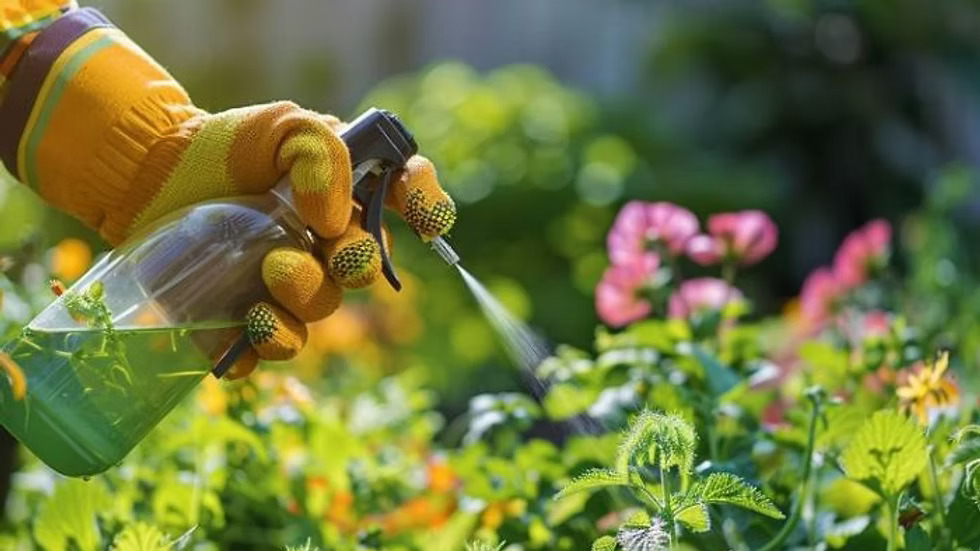
In many cases, homeowners initially try DIY sprays or broad-spectrum insecticides. Unfortunately, improper treatments can sometimes damage beneficial insects while failing to eliminate the actual infestation source.
Targeted professional pest control allows homeowners to address destructive pests while reducing unnecessary impact on healthy garden activity.
Rodents Create Hidden Garden Damage
Rodents are another major threat to healthy yards and gardens.
Rats, mice, gophers, and squirrels often damage:
- Irrigation systems
- Raised garden beds
- Root systems
- Fruit trees
- Outdoor wiring
- Mulch areas
- Compost zones
Burrowing activity can destabilize soil and create drainage problems throughout a property. Rodents may also introduce parasites and bacteria into outdoor areas where children and pets spend time.
Professional pest management helps reduce rodent activity while identifying the conditions that attract them in the first place.
Healthy Yards Reduce Mosquito and Tick Activity
Overgrown or poorly maintained yards often become breeding grounds for mosquitoes, fleas, and ticks.
Excess moisture, standing water, dense vegetation, and shaded hiding areas allow these pests to reproduce rapidly. Beyond being a nuisance, these pests can carry diseases that affect both humans and animals.
Strategic pest control treatments combined with proper yard maintenance help reduce:
- Mosquito breeding zones
- Tick habitats
- Flea infestations
- Moisture-heavy nesting areas
This creates a safer and more comfortable outdoor environment while helping preserve the overall health of the landscape.
Integrated Pest Management Supports Long-Term Garden Health
Modern professional pest control is far more advanced than simply applying chemicals across a property.
Many companies now use Integrated Pest Management (IPM) strategies that focus on:
- Pest identification
- Targeted treatments
- Environmental awareness
- Prevention methods
- Habitat reduction
- Long-term monitoring
This approach helps minimize unnecessary pesticide use while improving long-term effectiveness.
For gardens and outdoor living spaces, this matters because sustainable pest management helps preserve beneficial organisms that contribute to healthy plant growth.
Prevention Is Easier Than Restoration
One of the biggest mistakes homeowners make is waiting until visible damage becomes severe before seeking professional help.
By the time lawns begin dying or gardens show major decline, pest populations may already be deeply established beneath the surface or inside nearby structures.
Preventative pest control often helps homeowners:
- Protect landscaping investments
- Avoid expensive lawn replacement
- Preserve garden productivity
- Reduce seasonal infestations
- Prevent recurring pest cycles
Early intervention is usually far easier and less expensive than repairing widespread damage later.
Outdoor Pest Problems Often Lead Indoors
Many yard pests eventually become indoor problems as well.
Ants, cockroaches, rodents, spiders, fleas, and termites frequently begin outside before moving into homes through:
- Foundation gaps
- Utility penetrations
- Attic access points
- Crawl spaces
- Garage doors
- Plumbing lines
Maintaining healthy outdoor pest conditions can help reduce the likelihood of interior infestations developing later.
This is especially important in warm climates where pest activity remains active throughout much of the year.
Eco-Conscious Pest Control Matters
Homeowners today are increasingly concerned about how pest treatments affect children, pets, pollinators, and the environment.
Responsible pest control companies understand the importance of balancing effectiveness with environmental awareness.
Talos Pest Control uses targeted treatment strategies designed to help protect people, pets, and the surrounding environment while still effectively managing destructive pest populations.
For homeowners who care about maintaining healthy gardens and outdoor living spaces, working with a knowledgeable pest professional can make a major difference in long-term landscape health.
Healthy Gardens Start With Protection
A beautiful yard or productive garden is the result of consistent care, planning, and protection.
While watering, fertilizing, and pruning often receive the most attention, pest management plays an equally important role in maintaining healthy outdoor spaces. Left unmanaged, pests can quietly destroy lawns, weaken plants, spread disease, and create costly property damage.
Professional pest control helps homeowners protect the time, money, and effort invested into their landscapes while creating healthier environments for families, pets, and plants alike.
For homeowners looking to preserve healthy lawns, thriving gardens, and safer outdoor spaces year-round, proactive pest management is not just helpful. It is essential.