Introduction
A modern home should feel calm, simple, and ready for the way you live. A smart home automation installer helps turn separate devices into one connected system that works smoothly.
From lighting and climate control to cameras, audio, shades, and door locks, smart technology can make daily life easier. But when devices are installed poorly, they can become frustrating fast.
That is why planning matters. The right installer does more than add gadgets. They design a system around your home, habits, comfort, and long-term needs.
What Does a Smart Home Automation Installer Do?
A smart home automation installer designs, installs, connects, and configures smart devices so they work together as one system. This can include lighting, security, climate, entertainment, networking, voice control, sensors, and mobile app access.
Their work usually covers:
- Smart lighting setup
- Thermostat and climate control
- Security cameras and smart locks
- Whole-home audio and video
- Motorized shades
- Wi-Fi and network upgrades
- Control panels and mobile apps
- Automation scenes and schedules
A good installer also tests the system, trains the homeowner, and provides support after installation.
Why Professional Smart Home Installation Matters
Smart homes look simple when everything works. Behind the scenes, though, there are networks, wiring, device settings, compatibility checks, and security concerns.
DIY setups can work for small projects. But larger homes, luxury systems, outdoor entertainment areas, and multi-room setups often need professional planning.
A trained smart home automation installer can prevent common problems such as weak Wi-Fi, app conflicts, poor camera placement, slow response times, and devices that stop working after updates.
Main Systems an Installer Can Set Up
Smart Lighting
Smart lighting can change the mood of a room instantly. You can create scenes for dinner, movie nights, reading, work, or bedtime.
Professional installation can include dimmers, switches, keypads, motion sensors, outdoor lights, and scheduled lighting.
Climate Control
Smart thermostats help manage comfort and energy use. A professional can connect thermostats with sensors, schedules, shades, and occupancy settings.
This helps rooms feel more comfortable without constant manual changes.
Security and Cameras
Security systems may include cameras, smart locks, doorbell cameras, motion sensors, glass-break sensors, and remote alerts.
An installer can place cameras at better angles, avoid blind spots, and help protect privacy.
Home Audio and Theater
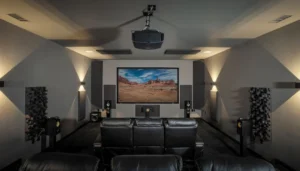
Whole-home audio, media rooms, outdoor speakers, and home theaters need careful design. Speaker placement, wiring, control systems, and acoustics all affect the final experience.
Smart Shades
Motorized shades can adjust based on time, sunlight, room temperature, or privacy needs. They also pair well with lighting and climate control.
· Kdarchitects.co — Architecture, interior design, home design, building design, architectural planning, and construction-related ideas.
· Rapidhomedirect.us — Home improvement, home renovation, home décor, DIY projects, furniture, household products, and practical home ideas.
· Famousparenting.us — Parenting, family life, children, pregnancy, child development, parenting tips, family activities, and advice for parents.
· Masterrealtysolutions.co — Real estate, property buying and selling, homeownership, housing, property investment, mortgages, real estate advice, and market insights.
· Pushyourdesign.co — Interior design, home décor, creative design ideas, furniture, room styling, architecture, renovation, and modern home design.
· Betterthisworld.co — Personal development, lifestyle, productivity, motivation, self-improvement, career growth, relationships, and improving everyday life.
Signs You Need a Smart Home Automation Installer
You may need professional help if:
- You want multiple systems to work together
- Your Wi-Fi is weak in some rooms
- You are building or remodeling a home
- You want hidden wiring and a clean finish
- You need outdoor speakers, cameras, or lighting
- You want one app or control panel for everything
- Your current smart devices feel messy or unreliable
A smart home automation installer is especially helpful when the project involves many rooms or high-value equipment.
Discover SpiritusWellness.net for practical wellness insights, healthy living tips, mindfulness, self-care, nutrition, fitness, and holistic well-being guidance for a healthier, balanced life.
How the Installation Process Usually Works
Consultation
The installer learns about your home, lifestyle, budget, and goals. They may ask how you use each room and which features matter most.
System Design
Next, they design the setup. This may include device lists, wiring plans, network needs, control options, and upgrade paths.
Installation
The installer mounts devices, runs wiring where needed, connects equipment, and configures the system.
Testing
Every device should be tested. Lights, cameras, speakers, thermostats, apps, and scenes should respond correctly.
Training
A reliable installer explains how to use the system in simple terms. You should feel comfortable using your app, remotes, keypads, and voice controls.
Questions to Ask Before Hiring
Before choosing a smart home automation installer, ask:
- What brands and systems do you install?
- Do you handle wiring and networking?
- Can the system grow later?
- Do you provide support after installation?
- Will I control everything from one app?
- Do you offer maintenance plans?
- Can you work with builders or designers?
- How do you protect my network and privacy?
Clear answers can save you from expensive changes later.
Cost Factors to Consider
The cost depends on the size of the home, number of rooms, device quality, wiring needs, and system complexity.
A basic setup may include lighting, a thermostat, and a few security devices. A larger system may include whole-home audio, cameras, shades, access control, and a stronger network.
The cheapest option is not always the best. Poor setup can lead to repeat service calls, device replacements, and daily frustration.
Common Mistakes to Avoid
Many homeowners buy devices first and plan later. That often creates compatibility problems.
Avoid these mistakes:
- Choosing devices without checking compatibility
- Ignoring Wi-Fi strength
- Using too many separate apps
- Placing cameras without checking angles
- Forgetting outdoor coverage
- Skipping surge protection
- Not planning for future upgrades
- Choosing an installer based only on price
The best smart homes feel simple because the planning was done carefully.
Smart Home Automation Installer for New Builds and Remodels
New construction is the perfect time to plan smart home wiring. Walls are open, cables can be hidden, and the system can be designed before finishes are installed.
During a remodel, a smart home automation installer can work with electricians, builders, interior designers, and AV teams. This helps avoid messy changes after the work is complete.
Good planning can also protect the look of your home. Devices can be placed neatly, wires can stay hidden, and controls can match the design of each room.
Choosing the Right System
There is no single best system for every home. The right choice depends on your budget, device preferences, home size, and how much control you want.
Some homeowners want simple app control. Others want advanced scenes, wall keypads, remote access, custom dashboards, and full integration.
A skilled installer can explain the options without making the process confusing.
FAQ
What is a smart home automation installer?
A smart home automation installer is a professional who sets up connected home systems such as lighting, security, audio, thermostats, shades, and control apps.
Is professional smart home installation worth it?
Yes, especially for larger systems. Professional installation can improve reliability, reduce setup issues, and make devices easier to use.
Can I add smart home features slowly?
Yes. Many systems can start small and grow over time. Good planning makes future upgrades easier.
Do smart homes need strong Wi-Fi?
Yes. A stable network is one of the most important parts of a smart home. Weak Wi-Fi can cause delays, offline devices, and poor performance.
Can smart home automation save energy?
It can help. Smart thermostats, lighting schedules, sensors, and automated shades may reduce waste when used properly.
What rooms can be automated?
Almost any room can be automated, including living rooms, bedrooms, kitchens, bathrooms, offices, garages, patios, and home theaters.
How long does installation take?
Small projects may take a few hours. Larger homes or custom systems can take several days or more, depending on wiring and setup needs.
Can one app control everything?
In many cases, yes. A professional can design the system so lighting, climate, security, audio, and scenes work from one main app or control panel.
Conclusion
A smart home should make life easier, not more complicated. With the right plan, your lights, climate, security, music, shades, and entertainment can work together in a natural way.
Choosing a trusted smart home automation installer helps you avoid guesswork and build a system that feels smooth from day one. The result is a home that responds to your routine, protects your comfort, and stays ready for future upgrades.